
April 22-24, 2026Shenzhen Convention and Exhibition Center (Futian)
Enquiries021 - 6249 7731
Milestones

Date timeline can be set to be displayed at the bottom area of the content

1949

1952-54

1954

1958

1961

1969

1971-80

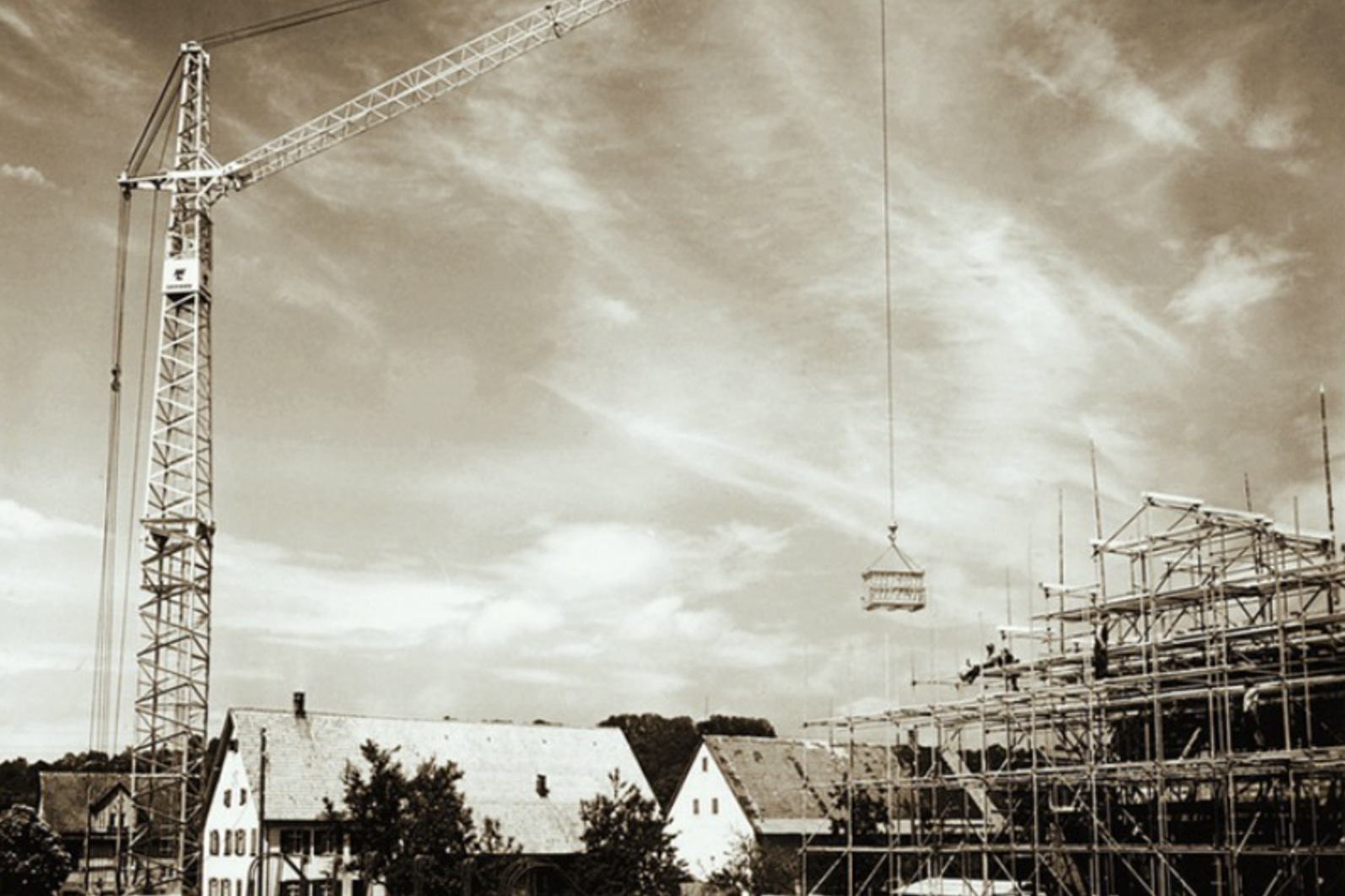
Invention of the mobile tower crane in 1949

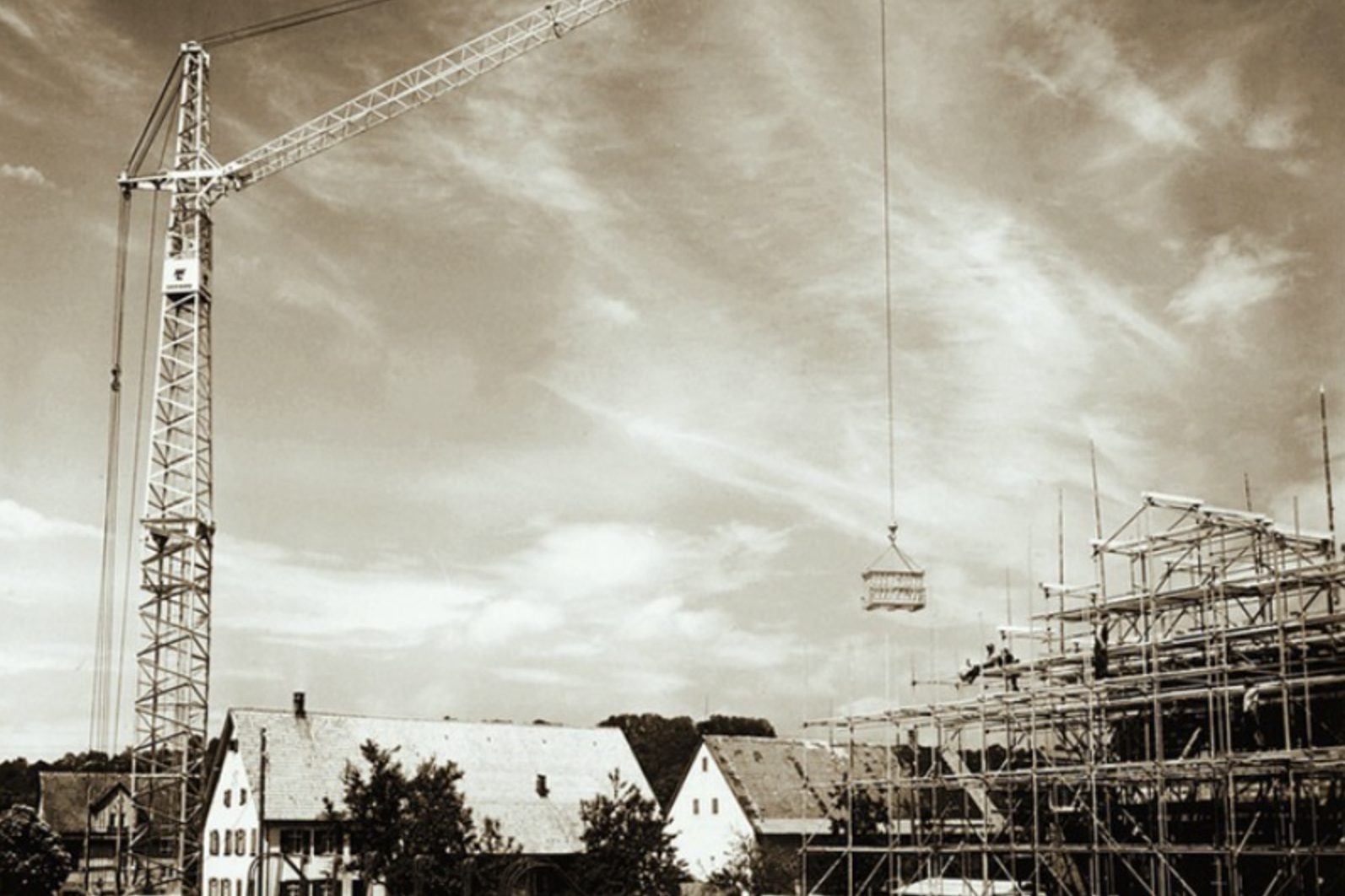
In post-war Germany, many places needed to be rebuilt. Hans Liebherr managed his parents' engineering company in southern Germany. He recognized the need for tools and machinery for the engineering and domestic works industry. in 1949, together with design engineers and tradesmen, he developed the first mobile tower crane. the TK10 was easy to transport and simple to install on construction sites.

This was the first product of Hans Liebherr Maschinenfabrik (engineering company), which was founded in 1949 in Kirchdorf. With the introduction of subsequent models, Liebherr's crane production accelerated and the engineering company became a construction machinery manufacturer.

1952-54 Expansion of product range

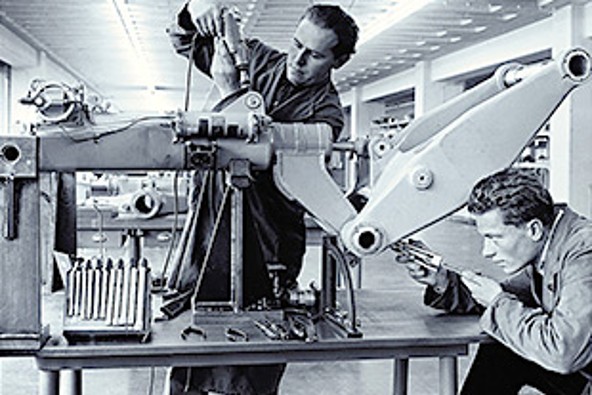
At the end of the 1950s, gears for the manufacture of gearboxes were hard to find. For the production of cranes, Hans Liebherr started to build its own hobbing machines to produce gears.

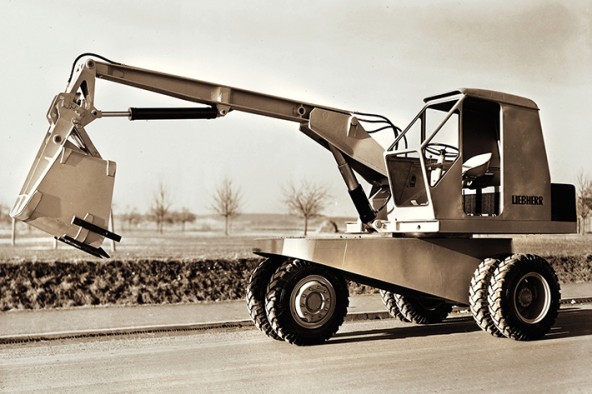
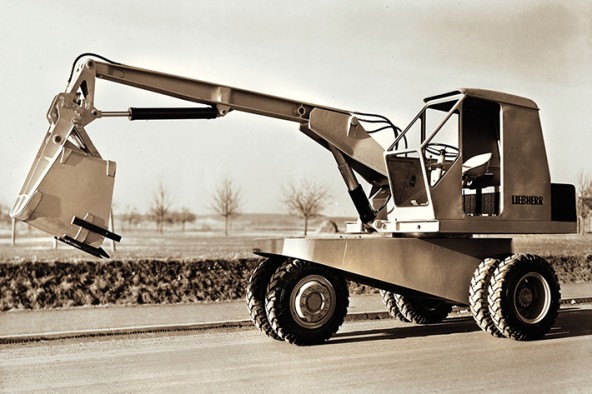
Hans Liebherr rented a cable excavator in 1953 and noticed the low power-to-weight ratio. Eight months later, he demonstrated Europe's first hydraulic excavator, the L300. this was four times lighter than the rented machine. 1954 saw the start of series production of the Power Machine.

From construction machinery to refrigerators in 1954

For Hans Liebherr, the impetus behind new areas of business sometimes comes from personal contacts. The businessman learned about a refrigerator manufacturing plant that was for sale from the branch manager of a local bank.

By examining products, sales figures and markets, Liebherr recognized the enormous potential of home appliances. Currently, only one in ten households in Germany owns a refrigerator, and demand is rising as the economy grows. Instead of acquiring the company, Hans Liebherr decided to set up his own production facilities at the Oxenhausen plant in southern Germany, where the first refrigerator was built in 1954 and series production began a year later.

In 1956, the range of construction machinery was expanded to include machines for the production and transportation of concrete, which Liebherr has been building at Bad Schussenli ever since.

1958 Expansion in Europe and Africa

Founded as a company in Germany, Liebherr established its first factory abroad in the 1950s. In order to gain a foothold in the British and North American markets, the company established a production site in Killarney, Ireland. Tower cranes were initially built here, followed by container cranes, shipyard cranes and special cranes. in South Africa in the 1960s, the first company outside Europe was founded. Hans Liebherr set the course for the Group's international development.

Through his involvement, Hans Liebherr's commitment to aircraft technology began in the late 1950's. In March 1960, he founded Liebherr Aerospace Technology AG in Lindenberg, Allegoo, Germany. From the outset, the goal was to develop and build prototypes in-house. The aim was to develop the company from a licensee to a producer of its own components and systems; from a manufacturer of equipment to a supplier of systems.In 1996, the company changed its name to Liebherr Aerospace Lindenberg GmbH.

The first factory was built in France in 1961.

In the late 1950s, Liebherr introduced companies in Ireland, South Africa, and Austria to expand the company beyond its own borders.

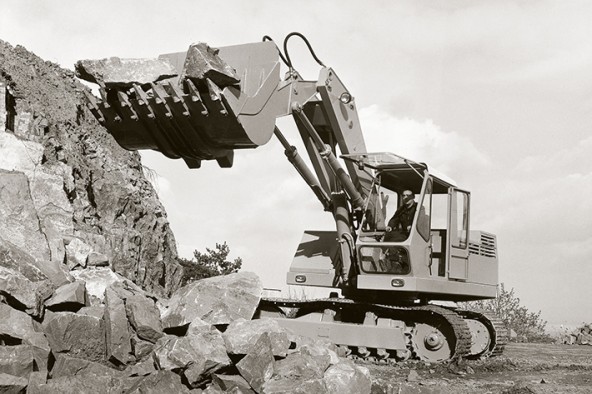
When exploring new production sites for tracked excavators, Liebherr chose Colmar in Elsass, France. This central location in Europe was ideal for transporting the machines. In addition, it was a good opportunity to penetrate the local market.

After the foundation stone was laid in July 1961, the Colmar plant grew rapidly. With the development of the excavator industry, the design and technical level of excavators continued to improve, and the French plant became a renowned manufacturer of technologically advanced crawler excavators The gradual specialization of excavators brought about new areas of business, such as mining excavators, which were to be built 10 years later.

From Ainnegan to the world in 1969

In the second half of the 1960s, Liebherr continued to build on his success despite the recession. The balance of the 20th business year: turnover of DM 400 million and 6,000 employees worldwide. Liebherr has successfully established itself as a pioneering manufacturer of construction machinery and has acquired new business areas in all sectors.

Liebherr expanded not only abroad, but also within Germany. 1969 saw the founding of Liebherr Ehingen GmbH, which developed into a leading supplier of mobile and crawler cranes. Despite the tough competitive situation, Liebherr's order book was full in the following years. Export growth accelerates. The R&D department contributes to the successful expansion. Whether for truck-mounted cranes, marine cranes or offshore solutions, engineers are carefully looking for new deployment opportunities and increasing payloads.

Global expansion, 1971-80

In 1970, Liebherr took root on the American continent. Service as well as proximity to local customers was very important to Hans Liebherr, and Liebherr USA was subsequently founded in Newport News, Virginia. The company supplies the North American market with hydraulic excavators, crawler excavators and wheel loaders, in addition to the following segments: machine tools, material handling and aviation equipment.

In 1974, new companies were founded in Guaratingheta (Brazil) and Burlington, Ontario (Canada). In Europe, the company responded to growing demand by introducing new production sites in Austria and Switzerland.

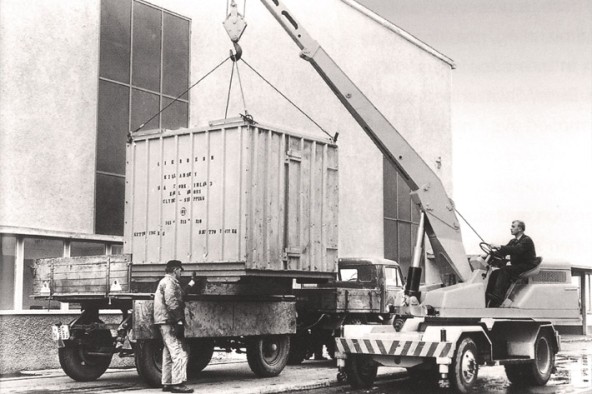
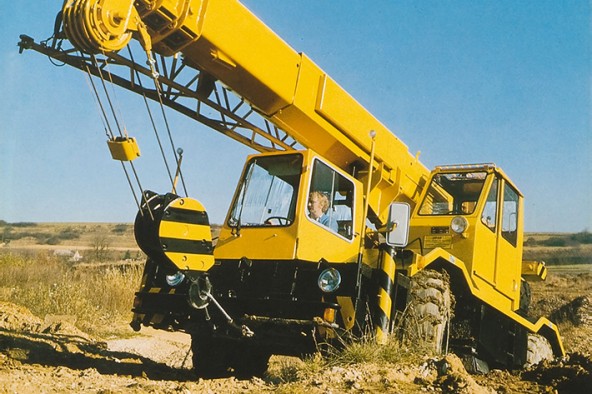
Even during the reorganization, Liebherr stood out through technological innovations. in 1977, the company introduced the LTM 1025, the world's first all-terrain mobile crane for both on-road and off-road use. With a telescopic boom length of 24 meters and a load capacity of 25 tons, it made entirely new areas of use possible. Together with the successor model LTM 1030, the crane established the all-road concept.

This pioneering initiative was recognized throughout the industry and the company's turnover and exports grew in the following years.

Milestones

The module title can be set to not be displayed, which is a paragraph describing...

1949

Invention of the mobile tower crane in 1949

In post-war Germany, many places needed to be rebuilt. Hans Liebherr managed his parents' engineering company in southern Germany. He recognized the need for tools and machinery for the engineering and domestic works industry. in 1949, together with design engineers and tradesmen, he developed the first mobile tower crane. the TK10 was easy to transport and simple to install on construction sites.

This was the first product of Hans Liebherr Maschinenfabrik (engineering company), which was founded in 1949 in Kirchdorf. With the introduction of subsequent models, Liebherr's crane production accelerated and the engineering company became a construction machinery manufacturer.

1952-54

1952-54 Expansion of product range

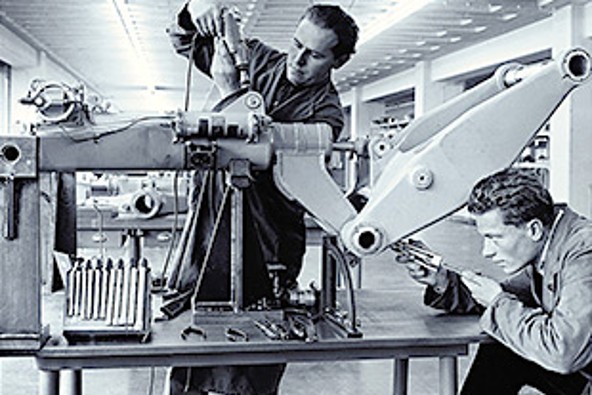
At the end of the 1950s, gears for the manufacture of gearboxes were hard to find. For the production of cranes, Hans Liebherr started to build its own hobbing machines to produce gears.

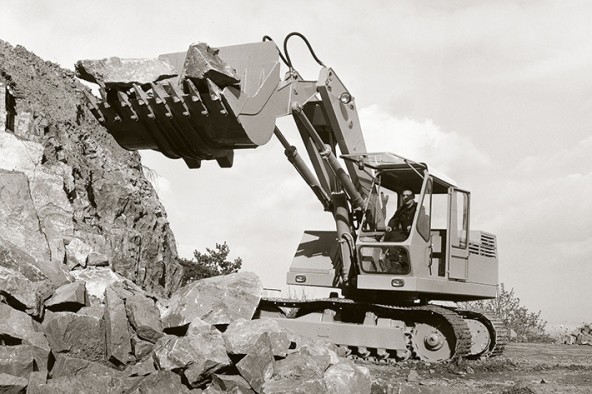
Hans Liebherr rented a cable excavator in 1953 and noticed the low power-to-weight ratio. Eight months later, he demonstrated Europe's first hydraulic excavator, the L300. this was four times lighter than the rented machine. 1954 saw the start of series production of the Power Machine.

1954

From construction machinery to refrigerators in 1954

For Hans Liebherr, the impetus behind new areas of business sometimes comes from personal contacts. The businessman learned about a refrigerator manufacturing plant that was for sale from the branch manager of a local bank.

By examining products, sales figures and markets, Liebherr recognized the enormous potential of home appliances. Currently, only one in ten households in Germany owns a refrigerator, and demand is rising as the economy grows. Instead of acquiring the company, Hans Liebherr decided to set up his own production facilities at the Oxenhausen plant in southern Germany, where the first refrigerator was built in 1954 and series production began a year later.

In 1956, the range of construction machinery was expanded to include machines for the production and transportation of concrete, which Liebherr has been building at Bad Schussenli ever since.

1958

1958 Expansion in Europe and Africa

Founded as a company in Germany, Liebherr established its first factory abroad in the 1950s. In order to gain a foothold in the British and North American markets, the company established a production site in Killarney, Ireland. Tower cranes were initially built here, followed by container cranes, shipyard cranes and special cranes. in South Africa in the 1960s, the first company outside Europe was founded. Hans Liebherr set the course for the Group's international development.

Through his involvement, Hans Liebherr's commitment to aircraft technology began in the late 1950's. In March 1960, he founded Liebherr Aerospace Technology AG in Lindenberg, Allegoo, Germany. From the outset, the goal was to develop and build prototypes in-house. The aim was to develop the company from a licensee to a producer of its own components and systems; from a manufacturer of equipment to a supplier of systems.In 1996, the company changed its name to Liebherr Aerospace Lindenberg GmbH.

1961

The first factory was built in France in 1961.

In the late 1950s, Liebherr introduced companies in Ireland, South Africa, and Austria to expand the company beyond its own borders.

When exploring new production sites for tracked excavators, Liebherr chose Colmar in Elsass, France. This central location in Europe was ideal for transporting the machines. In addition, it was a good opportunity to penetrate the local market.

After the foundation stone was laid in July 1961, the Colmar plant grew rapidly. With the development of the excavator industry, the design and technical level of excavators continued to improve, and the French plant became a renowned manufacturer of technologically advanced crawler excavators The gradual specialization of excavators brought about new areas of business, such as mining excavators, which were to be built 10 years later.

1969

From Ainnegan to the world in 1969

In the second half of the 1960s, Liebherr continued to build on his success despite the recession. The balance of the 20th business year: turnover of DM 400 million and 6,000 employees worldwide. Liebherr has successfully established itself as a pioneering manufacturer of construction machinery and has acquired new business areas in all sectors.

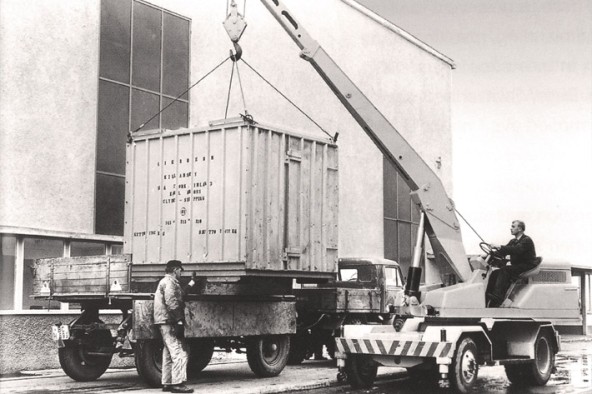
Liebherr expanded not only abroad, but also within Germany. 1969 saw the founding of Liebherr Ehingen GmbH, which developed into a leading supplier of mobile and crawler cranes. Despite the tough competitive situation, Liebherr's order book was full in the following years. Export growth accelerates. The R&D department contributes to the successful expansion. Whether for truck-mounted cranes, marine cranes or offshore solutions, engineers are carefully looking for new deployment opportunities and increasing payloads.

1971-80

Global expansion, 1971-80

In 1970, Liebherr took root on the American continent. Service as well as proximity to local customers was very important to Hans Liebherr, and Liebherr USA was subsequently founded in Newport News, Virginia. The company supplies the North American market with hydraulic excavators, crawler excavators and wheel loaders, in addition to the following segments: machine tools, material handling and aviation equipment.

In 1974, new companies were founded in Guaratingheta (Brazil) and Burlington, Ontario (Canada). In Europe, the company responded to growing demand by introducing new production sites in Austria and Switzerland.

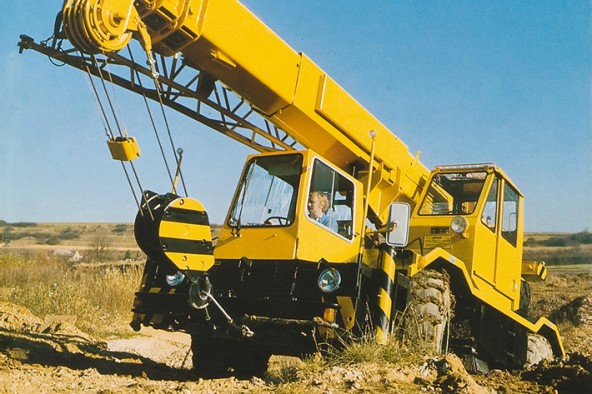
Even during the reorganization, Liebherr stood out through technological innovations. in 1977, the company introduced the LTM 1025, the world's first all-terrain mobile crane for both on-road and off-road use. With a telescopic boom length of 24 meters and a load capacity of 25 tons, it made entirely new areas of use possible. Together with the successor model LTM 1030, the crane established the all-road concept.

This pioneering initiative was recognized throughout the industry and the company's turnover and exports grew in the following years.

联系电话Phone

Contact phone number:
021 - 6249 7731

添加微信Add WeChat

Add WeChat

在线留言Online Message

Exclusive service for you!