


Steps towards a sustainable fleet
发布时间:21 August 2023浏览量:871
Georgia Kraus, Contributing Editor
A survey conducted by SAP and Oxford Economics in 2021 revealed that nearly half of construction and engineering managers indicated thatSustainable DevelopmentThis is their company's primary focus. However, respondents also indicated that their companies are more likely to set sustainability targets than to implement concrete measures to achieve them.
AsConstruction equipmentSteering organisations towards sustainabilityConvoyManagers must respond. But first, they must understand what is required of them.
Click here for a list of sustainability resources. Send an email to rsutton@sgcmail.com and provide additional sources.
The challenge lies in how to incorporate each stakeholder's expectations regarding sustainable development within the same framework. How to defineSustainabilityIt is subjective, depending on the objectives set by each management team. Owners and senior executives view sustainability as an investment in new business growth and long-term prosperity. Engineers and project managers focus on renewable materials and more environmentally sound installations. When management issues a sustainability mission statement, facility managers realise that sustainability work impacts virtually every project they handle. Need a little guidance? Yes, please.
Mike Brennan, CEM at CDMB Consultants, stated: “Sustainability is simply a series of sound business and management practices that reduce greenhouse gas emissions and the discharge of harmful waste streams into the natural environment.” “Sustainability extends beyond exhaust emissions; it encompasses equipment, fuel and..."lubricating oilmaintenance of facilities, mobility, and all other aspects of equipment operation.”
The use of sustainable products and practices is currently a voluntary choice for facility managers, except for those supporting construction projects linked to government regulations and standards. This choice will change as an increasing number of project owners require green initiatives to form part of their contractual agreements. Sustainability has the potential to become an independentIndustryThe industry possesses certification, consultancy and regulatory offices. However, it remains in its nascent stages, presenting organisations with an opportunity to prepare accordingly.
However, sustainability is a rapidly evolving initiative, particularly evident in certain regions of the United States, such as California. It is anticipated that other parts of the United States will not only emulate California's approach but also draw upon European practices, thereby establishing additional standards and guidelines. Most heavy equipment managers are already employing best practices to reduce their facilities' environmental footprint, such as utilising renewable fuels, implementing efficient petroleum by-product management, employing alternative biofluids where applicable, and applying telematics data to support maintenance programmes. Coordinating efforts with operational and procurement departments can enhance visibility.
Fleet managers are also required to expand sustainability efforts, encompassing both the effective management of equipment assets in the short term and a focus on ensuring maximum longevity in the long term. Dave Bolderoff (CEM), Fleet Manager for the Los Angeles County Health District, stated that equipment asset managers are increasingly involved in the organisation's economic planning.
“Extending vehicle service life through proactive maintenance programmes, utilising telematics data to avert potential downtime, and undertaking final repairs or disposal of ageing equipment are paramount tasks for fleet managers,” stated Borodrov. “Their insights on refurbishing and replacing machinery are invaluable, as they witness the equipment's operational performance firsthand. They possess the historical context."
“It's a balancing act,” he said. “From an executive perspective, it balances the overall project cost with doing the right thing for the community. For fleet managers, it's a challenge to balance effective maintenance procedures and ecological standards with cost and operational reliability.”
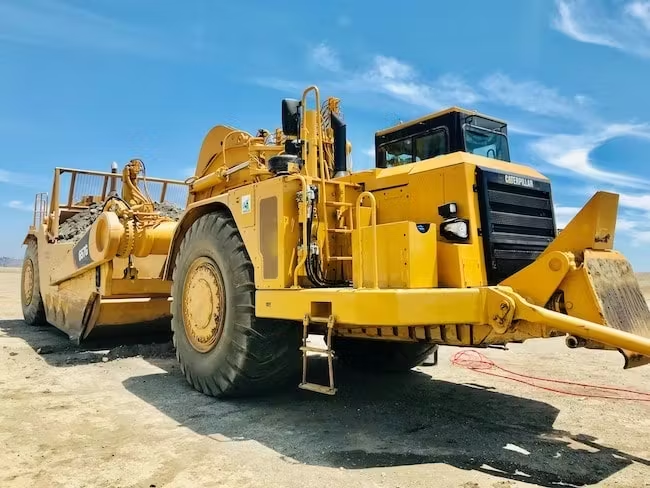
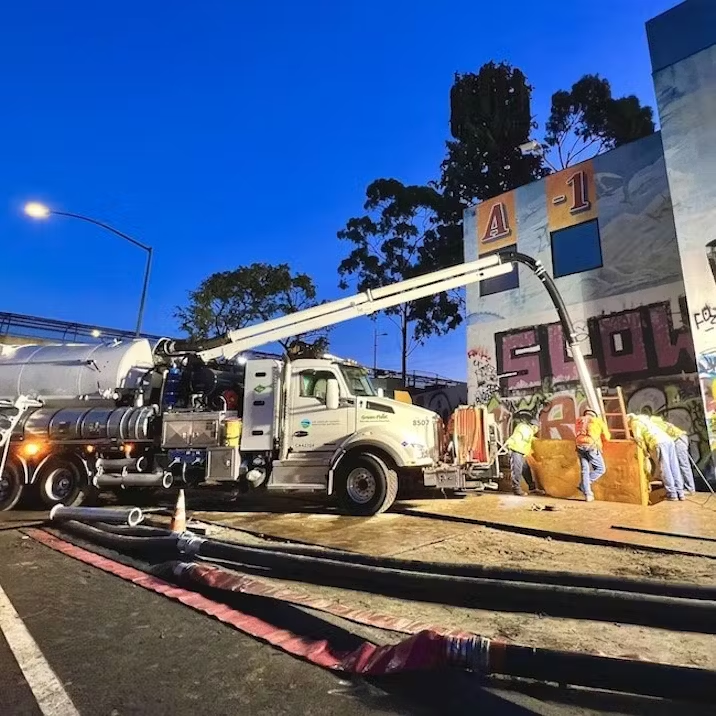
Above: Los Angeles County Department of Public Health utilises new
The Tier 4-F engine powers this Caterpillar 657G bulldozer.
Boldrov has shifted his focus towards renewable energy.dieseland plans to make the fleet fullyElectrificationThese initiatives are partly attributable to California's green initiatives and his personal commitment to environmental protection. “Companies that fail to implement sustainable procedures will soon be left behind,” he stated.
Association of Equipment Management Professionals (AEMP) and EquipmentmanufacturerThe Association (AEM) is working collaboratively to identify the need for benchmarking and defining metrics to assist contractors in measuring their sustainability objectives.
John Meese, Senior Director of Heavy Equipment Disposal Operations Support at WM, defines sustainability as reusability. Since 2012, WM has maximised the value of each piece of equipment by planning for multiple lifecycles.CaterpillarWheeledLoaderEvery second of the fleet's operational lifespan. The scheduling and execution of operations, maintenance, and repairs are based on the understanding that each machine will ultimately undergo a bare-machine rebuild before being returned to the site. Meese estimates he can rebuild and reuse WM's loaders, saving up to 50% in new machine costs.
Mays“ methodology is data-driven and meticulously considered. Based on maintenance and repair records, the company assesses each vehicle's future viability (i.e., ”reusability'), subsequently queuing them for refurbishment or removal from the fleet. Replacing obsolete wheel loaders with newer Cat models enhances technicians'efficiencyManage the availability of its components and assist in forecasting consumable costs.
Where does fleet sustainability begin?
The World Green Building Council defines coordination as the integration of all sustainable practices and policies within an organisation: the policy principles of one department must align with those of another to enable their effective implementation. Coordination requires each department to acknowledge how its actions impact others, as they all strive towards achieving equipment longevity, cost control,Energyefficiency and other objectives.
The foundation of coordination lies in streamlining processes and employing compatible metrics to measure progress towards objectives. This necessitates equipment managers liaising with each department to clarify expectations and targets. Standardise internal communication and terminology around specific goals and metrics to eliminate misunderstandings regarding direction and expectations. Identify measurable objectives, establish incentive schemes, and conduct regular reviews.
ISO 14001:2015, Environmental Management Systems, outlines a systematic approach that supports an organisation's sustainable objectives and planning. ISO 14001:2015 provides support for clauses and conditions, organisational roles and policies, planning actions and objectives, and operational performance evaluation.
Sustainable development software programmes can centralise data for analysis and reporting. These programmes can streamline workflows, track changes, ensure data traceability and verification, and enable collaboration among other users. Some software generates compliance reports and automatically submits them to designated authorities.